
Table of Contents
- Start With a Gentle Cleanser That Won't Strip Your Skin
- Apply Hydration to Damp Skin: The 3 Minute Rule for Moisturizer
- Choose a Lightweight Moisturizer for Sensitive Skin That Won't Clog Pores
- How to Repair the Skin Barrier Without Heavy, Pore-Clogging Products
- Build a Skin Care Routine for Dry, Sensitive Skin That Keeps Pores Clear
- How to Hydrate Sensitive Skin Without Clogging Pores: A Simple Layering Routine
- How to Introduce New Products and Spot a Pore-Clogging Trigger
- Frequently Asked Questions
Last Updated: October 5, 2026
Start With a Gentle Cleanser That Won't Strip Your Skin
The first step in any routine to hydrate sensitive skin is swapping harsh cleansers for a gentle formula. A gentle cleanser is a face wash that removes dirt, oil, and makeup without stripping the skin's natural oils. For sensitive skin, that distinction matters more than any serum you buy later.
Hot water and foaming soaps pull moisture out of the skin. That leaves it tight, red, and reactive. Use lukewarm water instead, and keep showers short.
Here is how we would cleanse sensitive skin:
- Use a cream or gel cleanser labeled for sensitive skin
- Apply with fingertips, not a rough cloth
- Rinse with lukewarm water
- Pat dry with a soft towel, never rub
- Cleanse twice daily at most
Cleansing oils work well for removing sunscreen and makeup without scrubbing. If your skin stings after washing, your cleanser is too strong. That stinging is your first warning sign, and it is worth heeding before you add anything else.
Apply Hydration to Damp Skin: The 3 Minute Rule for Moisturizer
The 3 minute rule for moisturizer is simple: apply your moisturizer within three minutes of washing your face, while the skin is still damp. Damp skin absorbs hydration better and traps that moisture underneath the product.
This one habit does more for dry, sensitive skin than most expensive creams. Skip it and you are moisturizing dry skin, which is far less effective.
A common mistake is waiting until the face is completely dry. By then, some of the water your skin just absorbed has already evaporated. Keep your moisturizer within arm's reach of the sink so you actually use it in time.
- Cleanse, then pat gently, leaving skin slightly damp
- Apply moisturizer right away
- Follow with a light oil to seal it in
- Do this twice daily, morning and night
Choose a Lightweight Moisturizer for Sensitive Skin That Won't Clog Pores
A lightweight moisturizer for sensitive skin should hydrate without sitting heavy on the surface. The best options use non-comedogenic ingredients, which means they are unlikely to clog pores. But "non-comedogenic" on a label only tells you a formula was designed to avoid known pore-cloggers.
To choose well, it helps to sort moisturizing ingredients into three functional groups. Each one hydrates differently, and each one has a version that works for sensitive, congestion-prone skin and a version that tends to feel too heavy.
Humectants pull water into the upper layers of skin. They are the lightest category and the safest starting point for skin that clogs easily. Common examples include glycerin, hyaluronic acid, panthenol, and aloe. Because they are water-based, they rarely cause congestion on their own.
Emollients soften and smooth by filling the gaps between skin cells. They are the middle weight. Light emollients like squalane, jojoba, and caprylic/capric triglyceride absorb quickly and suit most sensitive, breakout-prone skin. Heavier emollients like shea butter, cocoa butter, and coconut oil feel richer and are more likely to sit on the surface, which is where congestion risk rises.
Occlusives form a film that slows water loss. They are the heaviest category. Petrolatum, dimethicone, and many plant butters fall here. Occlusives are useful for a damaged barrier, but a full-face layer of a heavy occlusive is the most common culprit behind the "my moisturizer broke me out" complaint.
A practical way to read a label: if water or aloe is the first ingredient and the formula is labeled a lotion or gel, you are likely looking at a humectant-forward product. If the first ingredients are oils or butters, you are looking at an emollient- or occlusive-forward product. Neither is wrong, they just belong at different points in a routine.
When you shop, look for:
- Non-comedogenic labels, understood as a starting filter rather than a guarantee
- Short ingredient lists, so a reaction is easier to trace
- Humectant-forward bases (glycerin, hyaluronic acid, panthenol) for daytime
- Light emollients like jojoba, squalane, and caprylic/capric triglyceride
- Formulas free from synthetic fragrance and drying alcohols
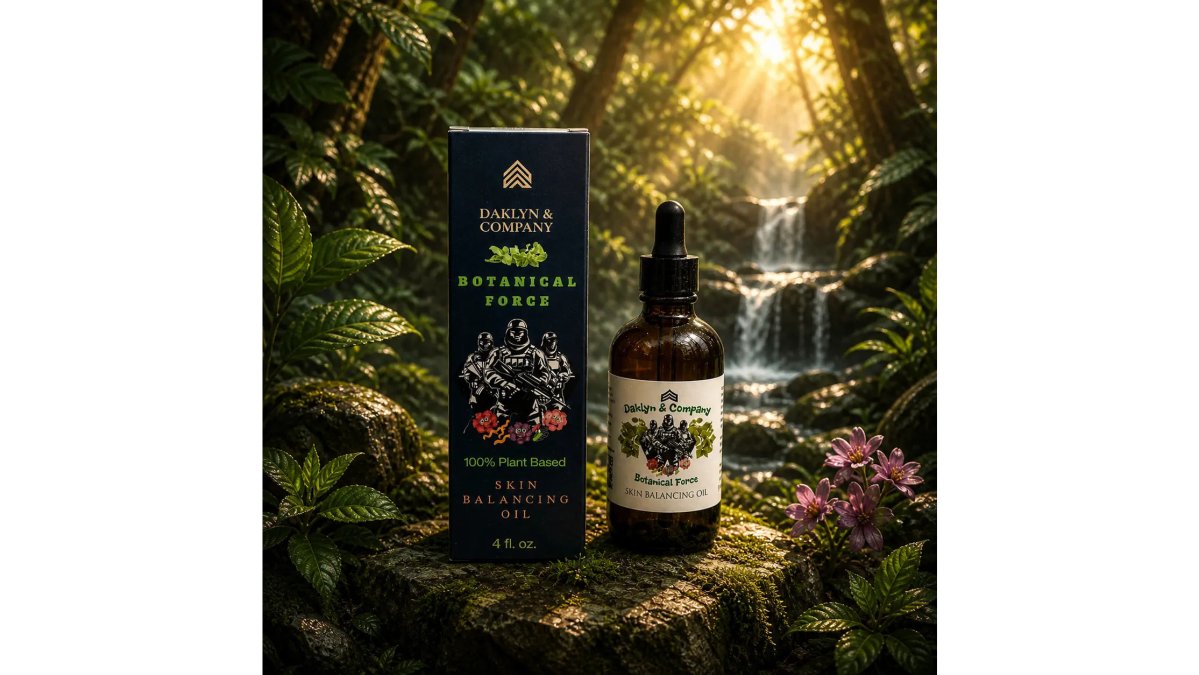
At Botanical Force, our Skin Balancing Oil is built on exactly this idea. It uses jojoba oil, olive-derived squalane, sunflower vitamin E, and oregano oil in a plant-based blend that absorbs easily without a greasy feel.

How to Repair the Skin Barrier Without Heavy, Pore-Clogging Products
To repair the skin barrier, you need to restore the lipids that hold moisture in. The skin barrier is the outer layer of skin that keeps water in and irritants out. When it is damaged, skin feels tight, dry, and reactive.
You do not need a thick, heavy balm to fix it. In fact, heavy products can clog pores and make things worse for acne-prone skin. The goal is barrier support, not suffocation.
Look for ingredients that both soothe and support:
- Jojoba oil closely resembles skin's own oils
- Squalane adds lightweight moisture
- Vitamin E supports the skin and adds antioxidants
- Oatmeal and aloe calm redness and flushing
The American Academy of Dermatology notes that fragrance and harsh exfoliants are common triggers for reactive skin, so keep your routine short and free of both while your barrier recovers.
Botanical Force Skin Balancing Oil 4 fl. oz. →
Build a Skin Care Routine for Dry, Sensitive Skin That Keeps Pores Clear
A skin care routine for dry, sensitive skin should stay short. Fewer steps mean fewer chances for irritation, and fewer products means it is easier to spot what is causing a problem.
The order below keeps hydration in and pore-clogging layers out:
- Cleanse with a gentle cleanser and lukewarm water
- Hydrate with a hyaluronic acid or green tea serum on damp skin
- Moisturize with a lightweight lotion or oil
- Protect in the morning with a broad-spectrum sunscreen
Sunscreen is non-negotiable, even for sensitive skin. Choose a mineral SPF made for reactive skin, and reapply during the day. A hydrating mask once or twice a week can add extra moisture without weighing skin down.
| Step | Product Type | When | Pore-Friendly Check |
|---|---|---|---|
| Cleanse | Gentle cream or gel cleanser | Twice daily | No sulfates or fragrance |
| Hydrate | Hyaluronic acid or green tea serum | On damp skin | Water-based, light texture |
| Moisturize | Lightweight lotion or facial oil | Twice daily | Non-comedogenic label |
| Protect | Mineral sunscreen | Every morning | SPF 30 or higher |
How to Hydrate Sensitive Skin Without Clogging Pores: A Simple Layering Routine
To hydrate sensitive skin without clogging pores, layer thin, water-based products first and oil-based ones last. This order lets hydration sink in before you seal it, so nothing heavy sits on the surface.
Here is the routine we recommend, step by step:
- Cleanse with lukewarm water and a gentle cleanser.
- While skin is damp, press in a hydrating serum with hyaluronic acid.
- Wait 30 seconds, then apply a lightweight moisturizer.
- Seal with 2-3 drops of a non-greasy facial oil, like our Skin Balancing Oil.
- Finish with SPF in the morning.
Each step is thin and fast-absorbing. That is the whole point. You get hydration at every layer without a single heavy product that could trap debris in your pores.
How to Introduce New Products and Spot a Pore-Clogging Trigger
Introduce one new product at a time, and give it a full week before adding anything else. This is the only reliable way to know what helps your skin and what causes a breakout. Most guides stop there.
Patch test first. Apply a small amount behind your ear or on your jaw and wait 24 hours. If there is no redness or itching, you can try it on your full face. A patch test catches contact irritation, but it will not catch congestion, which takes longer to develop. That is why the one-product-at-a-time rule matters even after a clean patch test.
Keep a simple log so patterns are easy to see:
- Product name and the date you started it
- Any redness, flushing, or tightness
- New breakouts and where they appear
- Whether skin felt calm or reactive
Timing is the clearest clue. Irritation tends to show up fast, within minutes to a few hours of application, as stinging, burning, redness, or flushing. Dryness builds over days and feels tight, rough, or flaky, often worse after cleansing. Clogged pores are the slowest signal: small, flesh-colored or slightly red bumps that appear one to three weeks after you start a product, usually in the areas where you applied it most.
Appearance narrows it further. Irritation looks like a flush or a patch of redness, sometimes with a sting you can feel. Dryness looks dull and rough, with visible flaking at the edges of the face. Congestion looks like a cluster of small bumps, closed comedones, often on the forehead, chin, or cheeks, without the stinging that comes with irritation.
Location points to the cause. Bumps that appear only where you applied a new moisturizer or oil suggest the product. Bumps that appear along the jawline or hairline may point to a cleanser, a hair product, or a phone or pillowcase. Bumps that were already there before you changed anything are probably not caused by the new product.
Once you have named the problem, the fix is different for each:
- Irritation: stop the product, return to your last known-good routine, and let skin settle for a week before reintroducing anything.
- Dryness: add a humectant layer on damp skin and a light emollient to seal it, rather than reaching for a heavier cream.
- Congestion: remove the most recent addition first, and check whether you stacked a heavy occlusive over a serum and an oil. Often the fix is dropping one layer, not the whole routine.
If irritation keeps returning, if you have painful bumps and deep redness, or if congestion worsens despite simplifying your routine, see a board-certified dermatologist. Some skin conditions, including rosacea, perioral dermatitis, and hormonal acne, need medical care, not another product. Self-care has a ceiling, and knowing where it is saves months of trial and error.
Frequently Asked Questions
What is the 3 minute rule for moisturizer?
The 3 minute rule means applying your moisturizer within three minutes of patting your skin dry after cleansing. At that point your skin is still slightly damp, so a lightweight moisturizer for sensitive skin can seal in that surface water instead of letting it evaporate. This simple timing step helps hydrate sensitive skin with less product and less chance of pore clogging, because you are not layering heavy creams on dry skin.
How can I hydrate sensitive skin without causing breakouts?
Choose non-comedogenic, lightweight formulas, apply them to damp skin, and avoid heavy oils that sit on the surface. Look for ingredients like jojoba oil, squalane, and hyaluronic acid. A plant-based option such as Botanical Force Skin Balancing Oil ($39.00) uses jojoba oil and olive-derived squalane to help maintain hydration and support the skin's natural moisture barrier without a greasy feel. Patch test first and introduce one product at a time.
Can dehydration cause clogged pores?
Dehydration can make skin feel tight and dry, which may lead some people to over-apply heavy creams that can clog pores. When the skin barrier is weakened, it loses water more easily, and the urge to pile on rich products increases. The better approach is to hydrate sensitive skin with lightweight, non-comedogenic layers and to repair the skin barrier so it holds moisture on its own.
How can you tell if a moisturizer is clogging your pores?
Signs include new blackheads or whiteheads, small bumps along the jaw or forehead, and a greasy film that lingers hours after application. If you notice these within one to two weeks of starting a new moisturizer, stop using it and return to your previous routine. A lightweight moisturizer for sensitive skin that absorbs easily, like one with jojoba oil and squalane, is less likely to leave that pore-clogging residue.


